

The US Fed rate hike impact on Indian banking is a critical topic for investors. As the FOMC outcome unfolds, understanding its effect on bank stocks becomes essential for market participants.
Understanding the FOMC Outcome
The recent decision by the US Federal Open Market Committee (FOMC) to raise interest rates has significant implications for global markets, particularly in emerging economies like India. Analysts suggest that the US Fed rate hike impact is most acutely felt in the banking sector. Indian bank stocks, which have shown resilience in recent years, are now facing heightened volatility as investors reassess their portfolios in light of rising rates.
Several factors contribute to this adverse reaction:
- Increased borrowing costs: Higher interest rates can lead to reduced loan demand, impacting banks’ profitability.
- Capital outflows: Investors may seek better returns in the US, leading to a potential sell-off in Indian equities.
- Exchange rate pressures: A stronger dollar may weaken the rupee, further straining the financial sector.
As the market adjusts, the long-term effects of the US Fed rate hike will continue to unfold, necessitating close monitoring by investors and policymakers alike.
Impact on Indian Bank Stocks
The recent US Fed rate hike has sent ripples through global markets, with Indian bank stocks experiencing significant downturns. Analysts predict that the impact on Indian bank stocks will be felt strongly as higher interest rates in the US often lead to increased borrowing costs worldwide.
Several factors contribute to the adverse effects:
- Increased Borrowing Costs: Indian banks may face higher costs of capital, making loans more expensive for consumers and businesses.
- Foreign Investment Withdrawal: Investors may pull funds from Indian markets in favor of higher returns from US assets.
- Currency Fluctuations: A strengthening US dollar can lead to depreciation of the Indian rupee, further impacting bank valuations.
As a result, major Indian banking stocks have shown a downward trend, reflecting market uncertainty and investor concern over the long-term implications of the US Fed rate hike impact.
Market Reactions to Rate Hikes
The recent US Fed rate hike has sent shockwaves through global markets, particularly affecting Indian bank stocks. Investors have reacted swiftly, leading to a notable decline in share prices across major banking institutions. The anticipation surrounding these rate hikes has created a climate of uncertainty, prompting market participants to reassess their positions.
As the cost of borrowing rises, potential customers may hesitate to take loans, which can directly impact banks’ profitability. Analysts are concerned that prolonged rate hikes could further dampen economic growth, exacerbating the challenges faced by Indian banks.
Key market reactions include:
- Increased volatility in bank stock prices.
- Heightened scrutiny over the banks’ lending practices.
- Shifts in investor sentiment towards safer assets.
Overall, the US Fed rate hike impact on Indian banking continues to unfold, leaving stakeholders anxious about future developments.
Investor Sentiment Analysis
Investor sentiment has shifted significantly following the recent US Fed rate hike. As global markets digest the implications, concerns regarding the US Fed rate hike impact are palpable among Indian investors, particularly in the banking sector. Many analysts believe that higher interest rates in the US could lead to increased borrowing costs, which may adversely affect the profitability of Indian banks.
Several factors contribute to the current sentiment:
- Inflationary Pressures: Investors fear that rising rates might not only curb growth but also exacerbate inflation, leading to a tighter monetary policy in India.
- Currency Fluctuations: The possibility of a stronger dollar could lead to capital outflows from emerging markets like India, impacting bank stocks negatively.
- Market Volatility: Increased uncertainty in the global financial landscape is causing investors to adopt a cautious approach, often leading to sell-offs.
Overall, the current atmosphere reflects growing apprehension among investors regarding the potential repercussions of the rate hike on Indian banks.
Comparing Past Rate Hikes
The US Fed rate hike impact has historically influenced global markets, and Indian bank stocks are no exception. To understand the consequences of previous rate increases, it is essential to analyze their effects on financial institutions. In the past, rate hikes have often led to:
- Increased borrowing costs: Higher interest rates typically result in increased borrowing costs for consumers and businesses, which can slow down loan growth for banks.
- Pressure on net interest margins: As rates rise, banks may face challenges in maintaining their profit margins if they cannot pass on the costs to borrowers.
- Market volatility: Rate hikes can lead to fluctuations in stock prices, causing uncertainty among investors and affecting bank valuations.
These factors indicate that the US Fed rate hike impact is a critical consideration for Indian banks, influencing both their stability and growth prospects in an increasingly interconnected financial landscape.
Long-term Effects on Banking Sector
The long-term effects of the US Fed rate hike impact on the banking sector, particularly in India, are becoming increasingly significant. As interest rates rise, banks may face a mixed bag of challenges and opportunities. In the short term, Indian banks often see a decline in stock prices due to investor concerns over rising borrowing costs and reduced demand for loans. However, in the long run, higher rates can lead to improved net interest margins, positively influencing profitability.
Nevertheless, the worst effect is felt by banks with large outstanding loans, as the cost of servicing these debts increases. It is crucial for these institutions to adapt their strategies to mitigate risks associated with rate hikes. Key factors that could shape the future include:
- Loan growth rates and demand for credit
- Asset quality and default rates
- Regulatory changes and compliance costs
Overall, the US Fed rate hike impact will require careful navigation for Indian banks in the coming years.
Expert Opinions on Future Trends
Experts are weighing in on the US Fed rate hike impact and its potential repercussions for Indian bank stocks moving forward. According to renowned economist Dr. Anjali Mehta, “The recent rate hikes by the Fed could lead to increased borrowing costs, which may squeeze the margins of Indian banks.”
Market analyst Ravi Kumar adds that “investors should brace for volatility as banks may struggle to maintain profitability in a rising interest rate environment.” He also emphasizes that banks with a higher proportion of floating rate loans could face more significant challenges.
Moreover, financial strategist Neha Sharma points out that “it is crucial for banks to adapt their strategies to mitigate risks linked with these rate adjustments.” She suggests that diversifying portfolios and focusing on retail banking may help cushion the blow.
Overall, the consensus among experts is that vigilance and adaptability will be essential for Indian banks navigating the fallout from the US Fed’s monetary policy shifts.
Strategies for Investors
As the US Fed rate hike impact continues to resonate through global markets, investors in Indian bank stocks must adopt strategic approaches to navigate the volatility. Here are some recommended strategies:
- Diversification: Consider diversifying your investment portfolio to mitigate risks associated with bank stocks. Investing in sectors less affected by rate changes can provide a buffer.
- Focus on Quality: Prioritize investments in banks with strong fundamentals and robust asset quality. Institutions with solid balance sheets are likely to weather the storm better.
- Stay Informed: Keep abreast of global economic indicators and Fed meetings. Understanding the nuances of monetary policy can help in making timely investment decisions.
- Long-term Perspective: Adopt a long-term investment horizon. While short-term fluctuations can be daunting, the fundamentals of the banking sector often prevail over time.
By implementing these strategies, investors can better navigate the uncertainties brought by the US Fed rate hike impact.
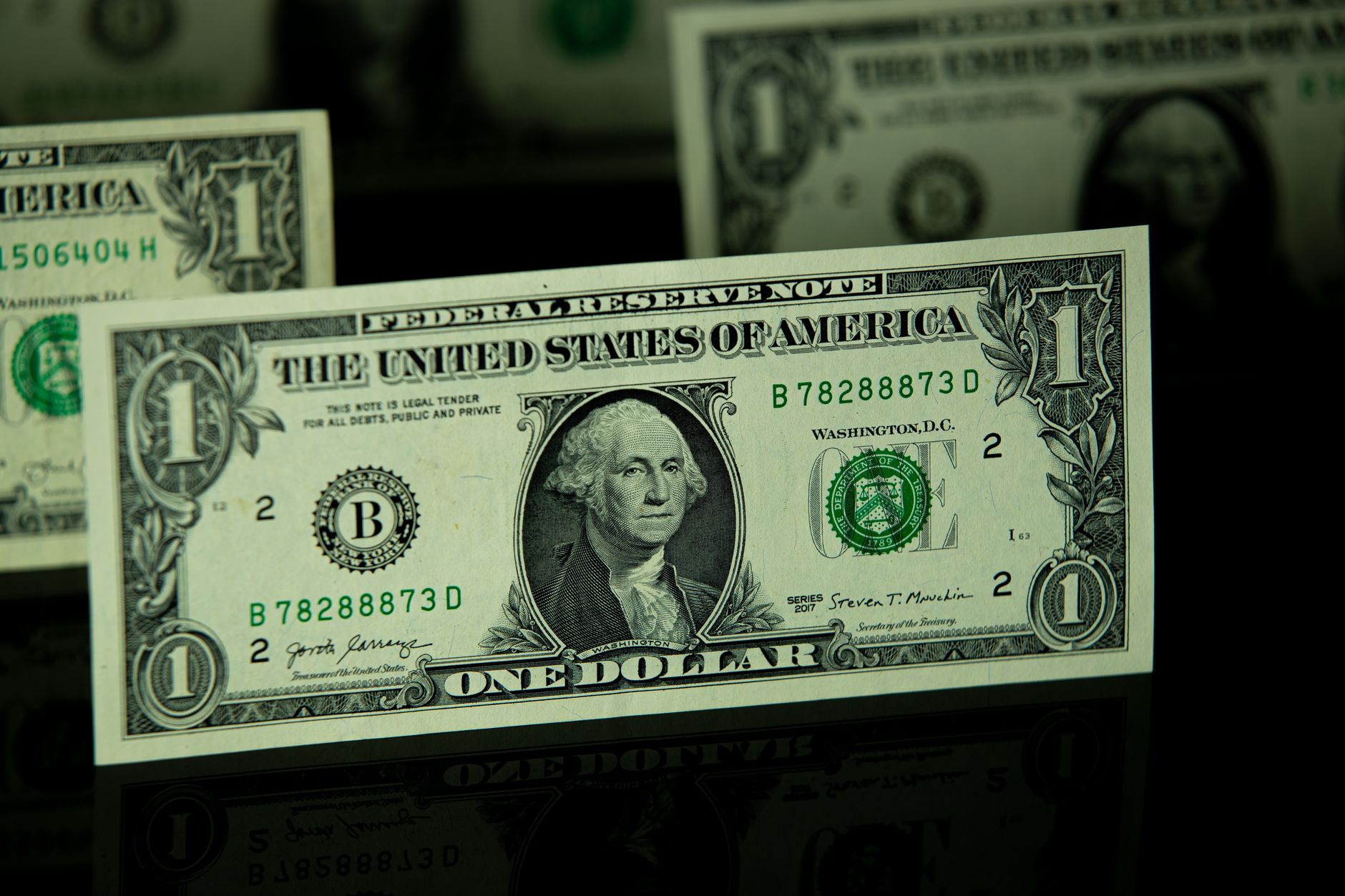
Photo by Sergei Starostin on Pexels
References
You might also like
- Commercial Banks Interest Rate Cuts: Smart Move for Savers
- XRP Price Forecast: Worst Drop Yet with Proven Recovery Target
- EPFO wage ceiling limit: What are the best changes for you?