

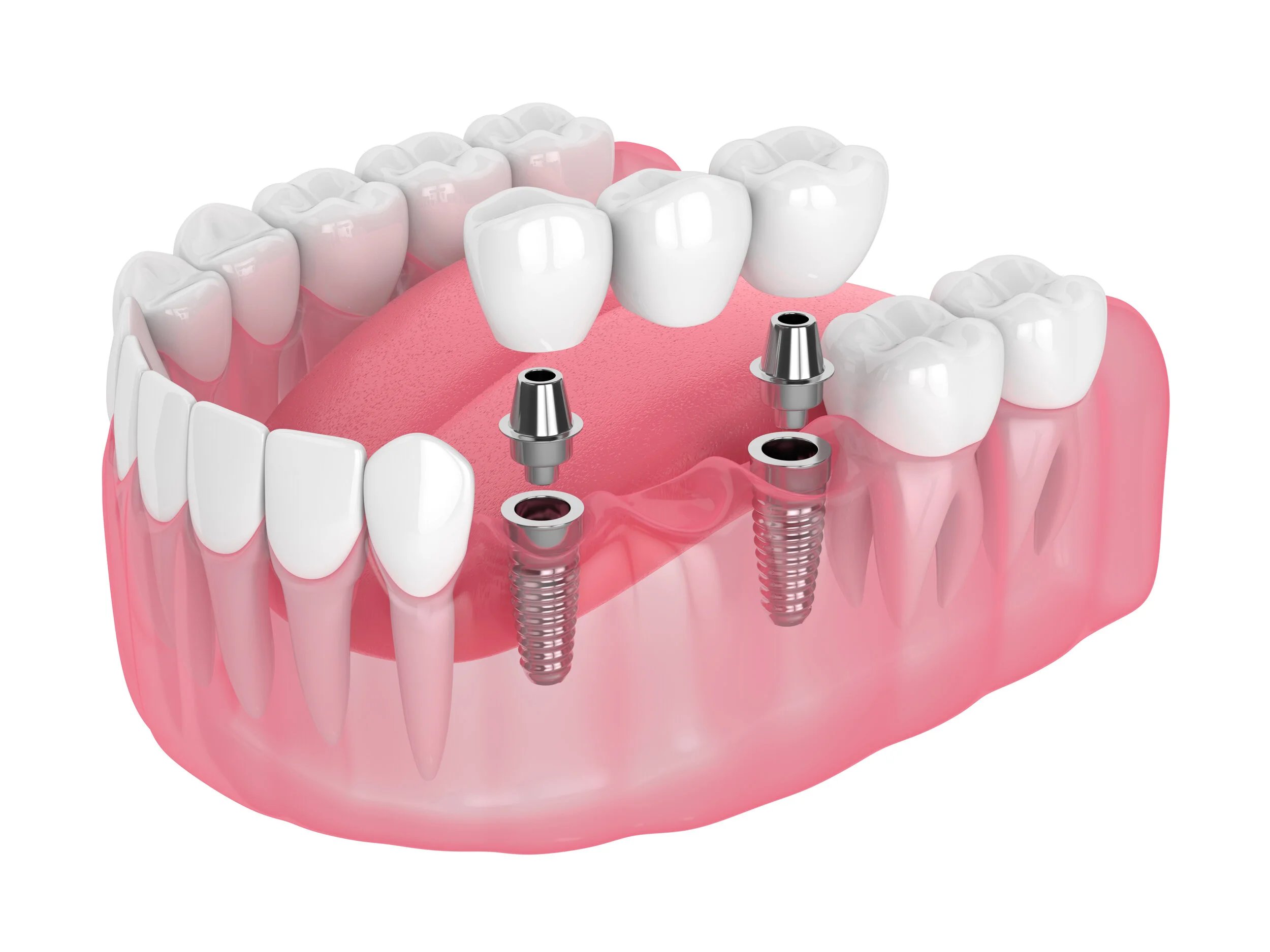
An implant bridge is a revolutionary solution for those seeking a permanent fix for missing teeth. Crafted with precision, this modern dental marvel seamlessly blends aesthetics and functionality. By anchoring to dental implants, an implant bridge restores your smile with natural-looking results. Say goodbye to cumbersome dentures and hello to a confident, worry-free grin. Experience the transformative power of an implant bridge – the key to unlocking your radiant smile.

Everything You Need to Know About Implant Bridge
Welcome to our comprehensive guide on implant bridge treatment! If you’re considering this option to restore your smile, you’ve come to the right place. In this article, we’ll delve into the world of implant bridges, from what they are to their benefits and the process involved. Let’s explore this innovative dental solution in detail.
What is an Implant Bridge?
First things first, let’s understand what an implant bridge is. An implant bridge is a dental prosthesis used to replace missing teeth by anchoring artificial teeth to dental implants. It consists of two main components:
1. Dental Implants:
Dental implants are titanium posts surgically placed into the jawbone to serve as artificial tooth roots. These implants provide a sturdy foundation for the bridge to be attached to.
2. Bridge Structure:
The bridge structure is the part of the implant bridge that contains the artificial teeth. It is customized to match the natural teeth in size, shape, and color, ensuring a seamless integration with your existing smile.
Benefits of Implant Bridges
Implant bridges offer a range of benefits that make them a popular choice for individuals seeking tooth replacement options. Here are some key advantages:
1. Improved Appearance:
Implant bridges look and feel like natural teeth, enhancing your smile and overall facial aesthetics. The customized design ensures a perfect fit and seamless blend with your existing teeth.
2. Enhanced Functionality:
Unlike removable dentures, implant bridges are fixed in place, providing stability and improving your ability to chew and speak with confidence. You can enjoy your favorite foods without worrying about the bridge shifting or slipping.
3. Long-Term Durability:
With proper care and maintenance, implant bridges can last for many years, offering a long-term solution for missing teeth. The durable materials used in their construction ensure reliable performance and longevity.
The Implant Bridge Procedure
Now that you understand the basics of implant bridges, let’s walk through the typical procedure involved in getting an implant bridge:
1. Initial Consultation:
The first step is to schedule a consultation with a qualified dentist or oral surgeon specializing in dental implants. During this visit, your oral health will be assessed, and a treatment plan tailored to your specific needs will be discussed.
2. Implant Placement:
Once you’ve decided to proceed with an implant bridge, the dental implants will be surgically placed in the jawbone. This procedure is done under local anesthesia to ensure your comfort during the process.
3. Healing Period:
After the implants are placed, a healing period is necessary to allow the implants to fuse with the surrounding bone in a process called osseointegration. This typically takes a few months, during which temporary restorations may be provided.
4. Bridge Fabrication:
Once the implants have integrated with the bone, impressions of your mouth will be taken to create a customized bridge that fits perfectly in your mouth. The bridge will be fabricated in a dental lab using high-quality materials.
5. Bridge Placement:
Finally, the completed bridge will be attached to the dental implants, completing the restoration process. Your dentist will ensure that the bridge is securely in place and make any necessary adjustments for comfort and functionality.
Aftercare and Maintenance
After your implant bridge is in place, proper aftercare and maintenance are crucial to ensure its longevity and effectiveness. Here are some essential tips to keep your implant bridge in top condition:
1. Regular Oral Hygiene:
Brushing and flossing your teeth, including the implant bridge, is essential to prevent plaque buildup and maintain oral health. Use a soft-bristled toothbrush and non-abrasive toothpaste to avoid damaging the bridge.
2. Routine Dental Check-ups:
Visit your dentist regularly for check-ups and professional cleanings to monitor the condition of your implant bridge and address any issues early on. Your dentist will also evaluate the health of your gums and jawbone.
3. Avoid Harmful Habits:
Avoid habits like smoking and chewing on hard objects, as they can damage the implant bridge and compromise its stability. Maintain a healthy lifestyle to support the long-term success of your dental restoration.
Implant bridges are a versatile and effective solution for replacing missing teeth and restoring your smile. By understanding the process involved and following proper aftercare guidelines, you can enjoy the benefits of a functional and natural-looking smile for years to come. If you’re considering an implant bridge, consult with your dentist to determine if it’s the right option for you. Here’s to a brighter and healthier smile with implant bridges!
We hope this guide has provided valuable insights into the world of implant bridges. If you have any questions or would like to share your experience with implant bridges, feel free to leave a comment below. Thank you for reading!
Patient Treatment Videos: Implant Bridge
Frequently Asked Questions
What is an implant bridge?
An implant bridge is a dental restoration technique used to replace multiple missing teeth. It involves placing dental implants in the jawbone to anchor the bridge, providing a stable and long-lasting solution for missing teeth.
How is an implant bridge different from traditional bridges?
An implant bridge differs from traditional bridges as it does not rely on adjacent natural teeth for support. Instead, the bridge is secured to dental implants, which are surgically placed in the jawbone, offering greater stability and preventing the need to alter healthy neighboring teeth.
Who is a suitable candidate for an implant bridge?
Generally, individuals who have good oral health, adequate bone density in the jaw, and are missing multiple teeth are suitable candidates for an implant bridge. A thorough evaluation by a dentist or oral surgeon is necessary to determine if someone is a good candidate for this procedure.
What is the procedure for getting an implant bridge?
The procedure for getting an implant bridge involves several steps, including a consultation, dental implant placement, healing period, impressions for the bridge, and the final placement of the bridge. The process may take several months to complete, allowing for proper healing and integration of the implants.
Final Thoughts
Implant bridges offer a durable solution for missing teeth. By anchoring the bridge to dental implants, stability and functionality are greatly improved. With proper care, an implant bridge can last a lifetime. Consider this innovative option to restore your smile confidently and comfortably.