

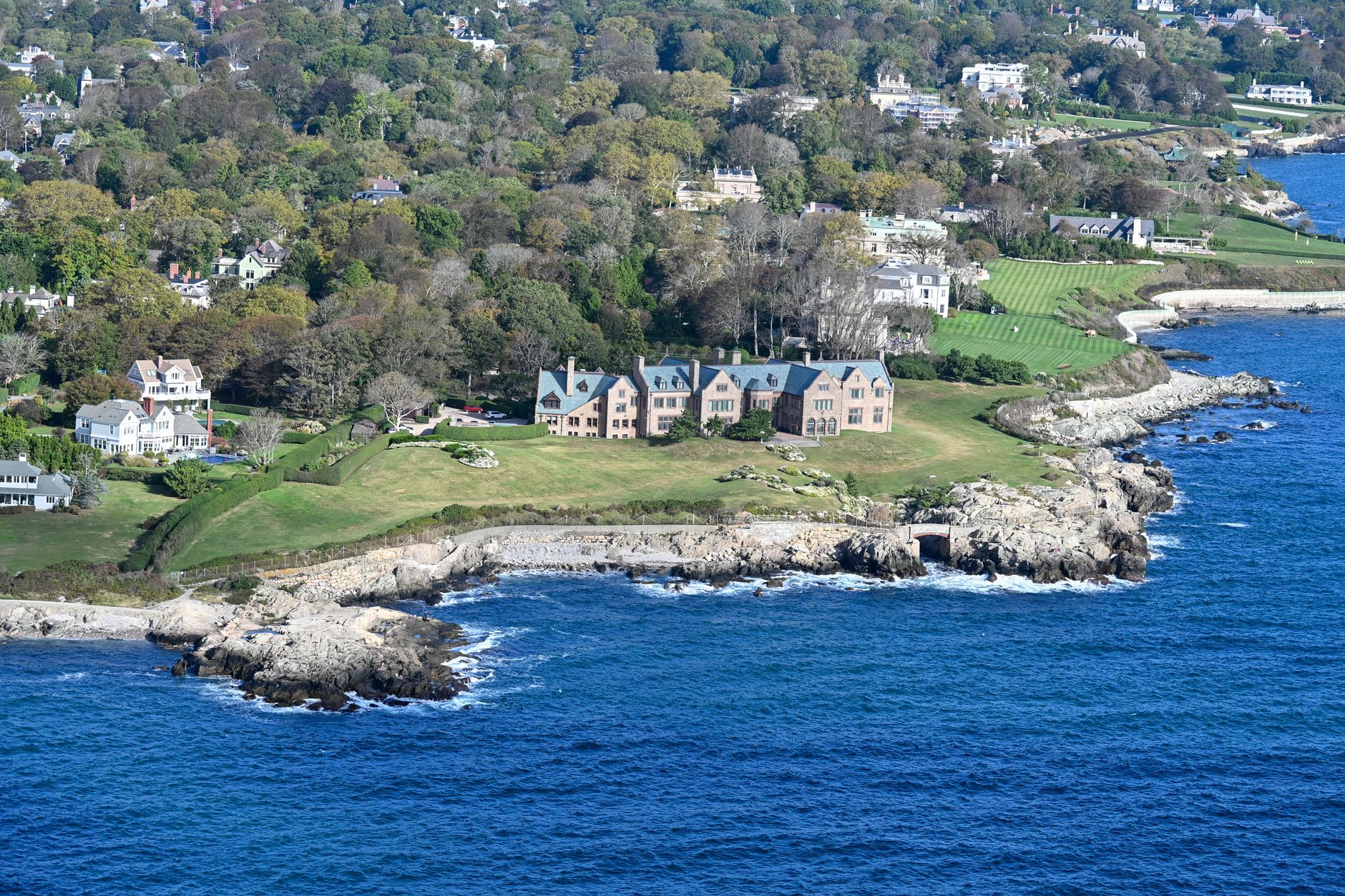
The mansion tax threshold is currently under consideration, with John Healey proposing changes that could affect 271,000 homes across the UK.
What is the Mansion Tax Threshold?
The mansion tax threshold refers to the property value limit at which homeowners are subject to additional taxation. This concept has been a point of contention in recent discussions about housing affordability and taxation policies. The proposal suggests that properties valued above a certain amount would incur a tax, aimed at generating revenue for public services.
Currently, there are various opinions on where this threshold should be set. Supporters argue that a higher mansion tax threshold could relieve financial pressure on middle-income families, while still targeting wealthier homeowners. Critics, however, fear that such a tax could discourage investment in property and negatively impact the housing market.
John Healey, a key political figure, is contemplating adjustments to this threshold, which could potentially affect around 271,000 homes across the country. The implications of this decision are significant, sparking debates about equity, wealth distribution, and the role of government in regulating the housing market.
As discussions progress, it will be crucial to consider the balance between fair taxation and the need for sustainable housing policies.
Impact of Proposed Changes
The proposed changes to the mansion tax threshold have sparked significant debate among homeowners and real estate experts alike. Many are questioning the impact of these changes on the housing market and individual finances.
Supporters of the new threshold argue that it could generate much-needed revenue for public services. They believe that taxing higher-value homes is a fair approach to ensure that wealthier homeowners contribute to community resources. However, critics warn that increasing the threshold might lead to unintended consequences.
- Market Concerns: There are worries that such a tax could discourage investment in high-value properties, leading to a potential decline in property values.
- Homeowner Anxiety: Many homeowners fear that they may be forced to sell their homes or face financial strain due to increased taxes.
- Political Implications: The proposed changes are likely to influence upcoming elections, as homeowners voice their opinions to local representatives.
As the discussion continues, the mansion tax threshold remains a critical topic for both policymakers and homeowners navigating the complexities of the real estate market.
Who Will Be Affected?
The proposed mansion tax threshold is set to have significant implications for a large number of homeowners. According to recent estimates, approximately 271,000 properties could fall under the new tax bracket, impacting a diverse range of residents across the country.
Homeowners who currently reside in valued properties that exceed the threshold will be particularly affected. This group primarily includes:
- Individuals living in affluent neighborhoods where property values have skyrocketed.
- Families in historic homes that have appreciated significantly over time.
- Investors who own multiple properties, especially in prime locations.
In addition to these homeowners, potential buyers may also find themselves reconsidering their purchase decisions as the mansion tax threshold could influence market dynamics. As financial burdens increase, many may opt for smaller or less expensive homes to avoid the additional tax burden.
Critics argue that the mansion tax could disproportionately affect those who have owned their homes for years, as they may not have the liquidity to pay the new taxes despite high property valuations. The debate continues as stakeholders weigh the potential benefits against the adverse effects on homeowners.
Arguments For and Against
The debate surrounding the mansion tax threshold has sparked significant discussion among homeowners and policymakers alike. Proponents argue that such a tax could provide much-needed funding for public services, particularly in areas like education and healthcare. They contend that wealthier homeowners should contribute more, especially in a housing market where property values have surged. This group believes that a higher tax on expensive properties could help address inequality and promote social equity.
On the other hand, opponents of the mansion tax threshold raise concerns about its potential impact on the housing market. They argue that imposing additional taxes on high-value homes may discourage investment and lead to a decrease in property values. Moreover, critics assert that the tax could disproportionately affect homeowners who have lived in their properties for years, locking them into financial burdens as they face rising costs.
Ultimately, the arguments for and against the mansion tax threshold highlight the complex balance between generating revenue and ensuring fair treatment for homeowners. As discussions continue, stakeholders must consider both sides to find an equitable solution.
Historical Context of Mansion Tax
The concept of a mansion tax has been a topic of heated debate in the UK for many years. Originally proposed as a way to address wealth inequality, the mansion tax threshold has evolved through various political discussions and economic circumstances. The idea first gained traction in the 2010 general election when the Labour Party advocated for a tax on homes valued at over £2 million. This proposal aimed to create a more equitable tax system and generate additional revenue for public services.
Over the years, subsequent governments have considered modifying the mansion tax threshold, reflecting changing economic climates and housing markets. In the wake of rising property values, many argue that the threshold should be adjusted to capture a larger portion of high-value properties. Critics of the tax have raised concerns about its potential impact on homeowners, especially those in regions where property prices have skyrocketed without corresponding income growth.
As politicians like John Healey revisit the mansion tax threshold, the historical context sheds light on the ongoing debate surrounding housing policy and wealth distribution in the UK.
Expert Opinions on Tax Changes
Experts are divided on the implications of the proposed mansion tax threshold adjustments. Dr. Emily Sanderson, a leading economist, argues that increasing the threshold could alleviate financial pressure on middle-class homeowners. “A higher threshold would ensure that only those with significant wealth contribute, allowing families to maintain their homes without the burden of excessive taxation,” she states.
Conversely, Mark Thompson, a tax policy analyst, warns of the potential long-term effects on housing prices. “If the mansion tax threshold is set too high, it may lead to market distortions where property values inflate, making affordability an ongoing issue for first-time buyers,” he explains.
Public sentiment appears mixed, with many homeowners feeling uncertain about how these changes will affect their financial stability. Lisa Martinez, a property owner in London, expressed her concerns: “While I understand the need for tax reforms, I worry that any increase in the mansion tax threshold could inadvertently push housing prices higher, impacting the market overall.”
As discussions continue, the debate surrounding the mansion tax threshold remains a contentious topic among stakeholders in the housing sector.
Future Outlook for Homeowners
As discussions around the mansion tax threshold continue, homeowners are left to ponder the potential implications of these changes on their financial future. Many experts suggest that the proposed adjustments could create a more equitable tax system, but the reality remains uncertain for those owning properties that may fall into the new tax brackets.
Homeowners in high-value areas are particularly concerned. Increased taxes could significantly impact their disposable income, forcing them to reconsider their financial strategies. Some may even contemplate selling their homes to avoid the financial burden, which could lead to a ripple effect in the housing market.
Moreover, the mansion tax threshold could create a divide among homeowners, with some benefiting from lower taxes while others face increased costs. As the government weighs these changes, potential buyers are also keeping a close eye on the situation, as any shifts in tax policy could influence their purchasing decisions.
Overall, the future outlook for homeowners remains complex, as they navigate the potential realities of a changing tax landscape and its implications for property ownership.
Photo by Beth Fitzpatrick on Pexels
Where this came from
Related reading
- VC funding decline: Worst trends impacting startups
- Crypto Regulation Collapse: Industry Infighting Undermines Support
- Ethereum price prediction: Best proven strategies for $10K