

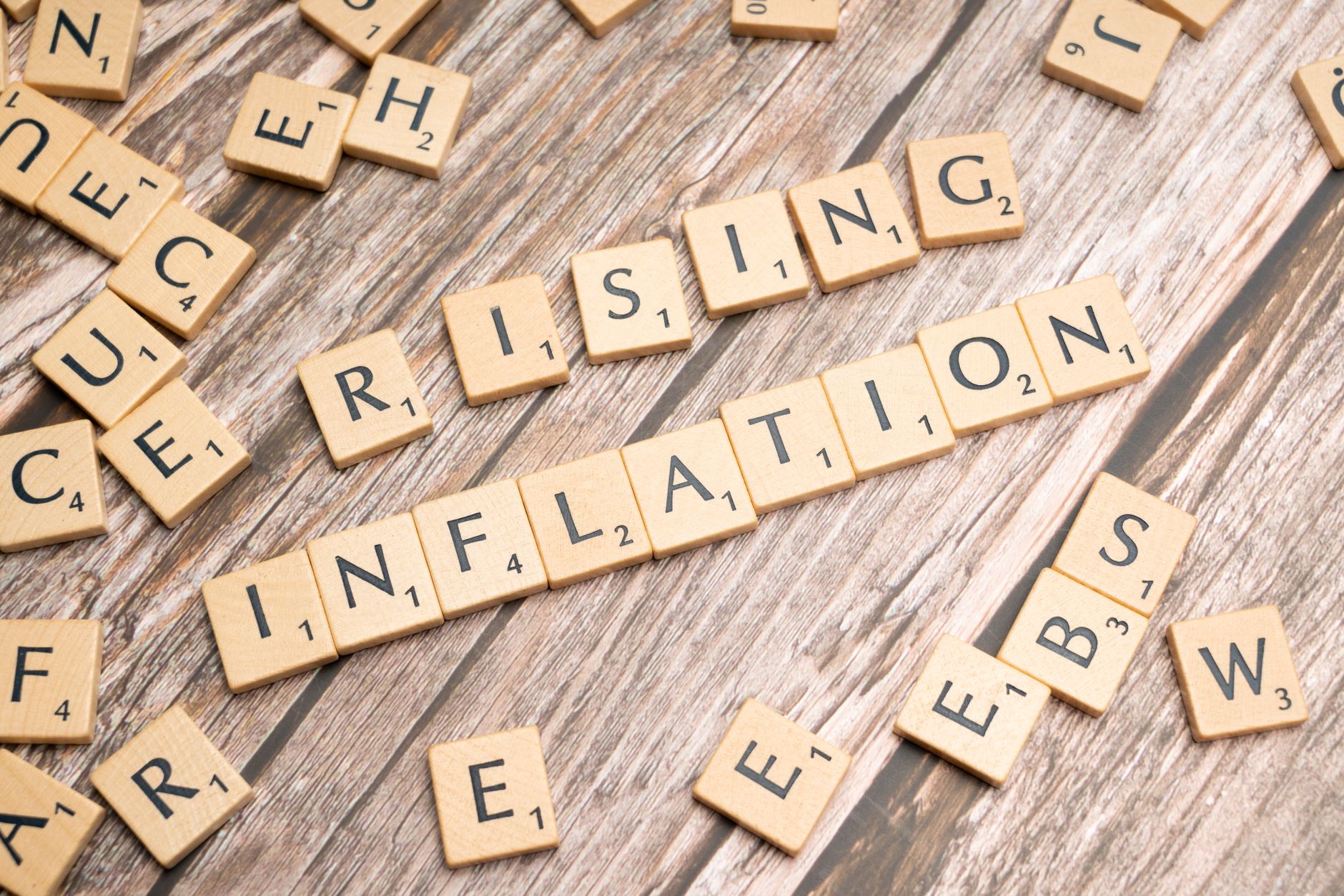
Fed rate hike predictions are making headlines as Goldman Sachs signals a potential increase this October. Investors are keen to understand the implications of this hawkish stance.
What is the Fed Rate Hike?
The Fed rate hike refers to an increase in the federal funds rate, which is the interest rate at which banks lend money to each other overnight. This rate is a key tool used by the Federal Reserve to influence monetary policy and control inflation. When the Fed decides to raise rates, it aims to slow down economic growth and curb inflationary pressures by making borrowing more expensive.
The implications of a Fed rate hike can be significant for both consumers and investors. For consumers, higher interest rates typically lead to increased costs for mortgages, credit cards, and loans. This can reduce consumer spending, which is a major driver of economic growth. For investors, the effects can be mixed.
- Bond Markets: Generally, bond prices fall when interest rates rise, as new bonds offer higher yields.
- Stock Markets: Higher rates can negatively impact corporate profits, leading to lower stock valuations.
- Sector Performance: Certain sectors, such as financials, may benefit from higher rates as they can charge more for loans.
While a Fed rate hike can create challenges, some analysts argue that it may be necessary to maintain economic stability. As Goldman Sachs recently highlighted, the anticipation of a rate hike signals the Fed’s commitment to managing inflation effectively.
Goldman Sachs’ Predictions Explained
Goldman Sachs has recently shared its insights regarding the potential Fed rate hike that many investors are keenly observing. The investment bank’s economists have analyzed the economic landscape and formulated predictions that could significantly impact market dynamics.
According to their report, Goldman Sachs anticipates that the Federal Reserve will increase interest rates in October, driven by persistent inflation and strong economic indicators. They argue that this hawkish signal reflects the Fed’s commitment to maintaining price stability, even in the face of potential short-term market volatility.
Key factors influencing Goldman Sachs’ predictions include:
- Inflation Trends: Rising consumer prices have prompted the Fed to consider an aggressive monetary policy.
- Labor Market Strength: A robust job market contributes to increased consumer spending, further fueling inflation.
- Global Economic Conditions: International economic developments may also play a role in shaping the Fed’s decisions.
The potential for a Fed rate hike raises questions for investors regarding asset allocation and market strategy. Some experts believe that rising interest rates could lead to a shift in investment preferences, favoring sectors less sensitive to rate changes.
As the October meeting approaches, investors are advised to stay informed and adapt their strategies accordingly, keeping an eye on signals from the Fed and broader economic indicators.
Impact of Rate Hikes on the Economy
The impact of rate hikes on the economy can be profound and multifaceted. When the Federal Reserve implements a Fed rate hike, it signals a shift towards tighter monetary policy, which can influence various sectors and aspects of economic activity.
One immediate effect of increased interest rates is the cost of borrowing. Higher rates typically lead to increased loan costs for consumers and businesses. This can result in:
- Reduced consumer spending: As loans become more expensive, individuals may hesitate to finance purchases, such as homes and cars.
- Slower business investment: Companies may delay or scale back on capital expenditures, impacting growth and expansion.
- Impact on the housing market: Higher mortgage rates can cool down housing demand, leading to slower price appreciation.
In addition to immediate financial implications, rate hikes can affect investor sentiment. As borrowing costs rise, equity markets may experience volatility as investors reassess growth prospects for companies. This can lead to:
- Shift towards safer assets: Investors might pivot to bonds or other lower-risk investments.
- Increased market uncertainty: Fluctuations in stock prices can create a sense of instability in financial markets.
Ultimately, while a Fed rate hike aims to curb inflation, its broader economic impact must be carefully analyzed by investors and policymakers alike.
Investor Reactions to Fed Signals
As the Federal Reserve signals a potential rate hike, investor reactions are mixed, reflecting a range of strategies and concerns about the economic landscape. Many investors are closely monitoring these developments, particularly as Goldman Sachs predicts an October Fed rate hike.
Some investors view the Fed rate hike positively, believing it may stabilize inflation and strengthen the dollar. They argue that higher rates can lead to better returns on savings and fixed-income investments, thus providing a safer alternative in uncertain economic times. These investors are optimistic about the potential for a healthier financial environment in the long term.
Conversely, others express caution. They worry that a Fed rate hike could stifle economic growth, especially in sectors that are sensitive to borrowing costs, such as real estate and consumer spending. Concerns are particularly pronounced among those who have heavily invested in equities, as rising rates can often lead to increased volatility in the stock market.
Additionally, some analysts suggest that the timing of the hike will be critical. Investors are weighing the potential short-term impacts against the long-term benefits. As they navigate this complex landscape, many are adjusting their portfolios in anticipation of the Fed’s decision.
In summary, while the Fed rate hike may present opportunities, it also poses challenges that investors must carefully consider.
Historical Context of Fed Rate Changes
The Federal Reserve has a long history of adjusting interest rates to manage economic growth and inflation. Understanding this historical context is crucial for investors considering the implications of a potential Fed rate hike.
Since the establishment of the Federal Reserve in 1913, the central bank has periodically raised and lowered rates. These adjustments are typically influenced by a variety of economic indicators, including inflation rates, employment figures, and overall economic growth. Key periods of rate changes include:
- 1970s: The Fed faced rampant inflation, prompting aggressive rate hikes that peaked at over 20% in the early 1980s.
- The Great Recession (2007-2009): In response to a financial crisis, the Fed slashed rates to near-zero, aiming to stimulate economic activity.
- Post-Pandemic Recovery: Following the COVID-19 pandemic, the Fed began signaling potential rate hikes to combat rising inflation, marking a significant shift in monetary policy.
As investors assess the potential for a Fed rate hike, they must also consider how past rate changes have influenced market dynamics. Historically, rate hikes have led to increased borrowing costs but can also signal confidence in economic growth. Thus, understanding the Fed’s actions and their historical implications can help inform investment strategies moving forward.
Photo by Markus Winkler on Pexels
Read the original
You might also like
- US Fed rate hike impact: Worst effect on Indian bank stocks
- Commercial Banks Interest Rate Cuts: Smart Move for Savers
- XRP Price Forecast: Worst Drop Yet with Proven Recovery Target