

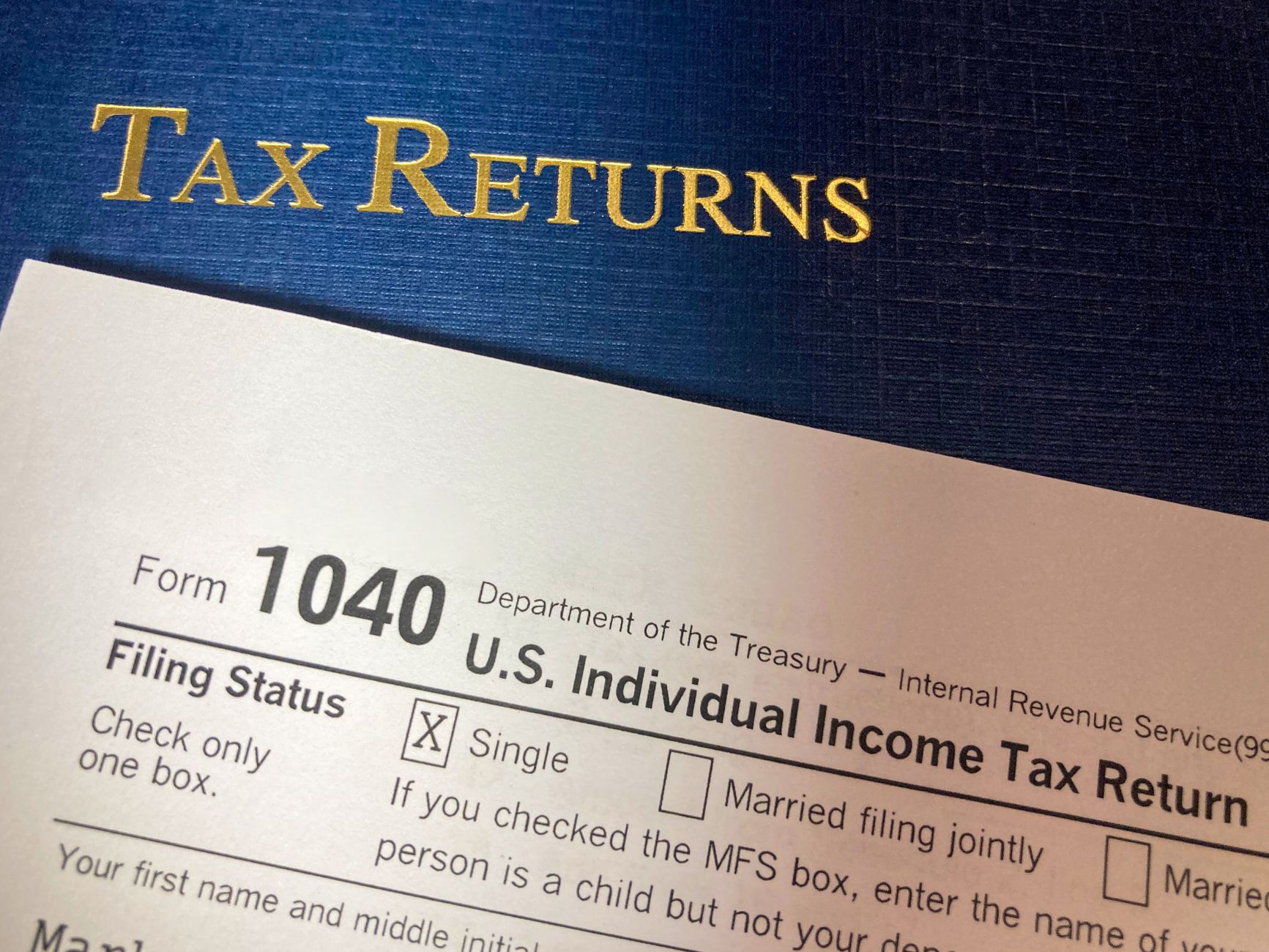
Treasury tax crackdown is reshaping the landscape for crypto ETFs. As new regulations emerge, investors must navigate these changes carefully.
Understanding the Treasury tax crackdown
The recent Treasury tax crackdown has sent ripples through the financial landscape, particularly affecting the burgeoning market for cryptocurrency exchange-traded funds (ETFs). This crackdown aims to enhance tax compliance and increase revenue by targeting digital assets, which have historically operated in a less regulated environment.
Regulatory bodies are now emphasizing the importance of transparency and accurate reporting in crypto transactions. As a result, ETF providers are under pressure to adapt their compliance strategies to align with the new rules. This shift not only impacts the providers but also the investors who rely on these financial products for exposure to cryptocurrencies.
The Treasury’s approach includes:
- Increased reporting requirements: ETF issuers must now disclose more detailed information about their transactions.
- Enforcement of penalties: Non-compliance could lead to significant fines for both companies and individual investors.
- Clarification of tax obligations: The crackdown aims to eliminate ambiguity surrounding the tax treatment of crypto assets.
As these regulations unfold, the impact on the crypto ETF market remains to be seen, with stakeholders closely monitoring the evolving landscape.
How it affects crypto ETFs
The recent Treasury tax crackdown has raised significant concerns among investors and fund managers in the cryptocurrency sector, particularly regarding Exchange-Traded Funds (ETFs). This regulatory shift aims to ensure compliance and increase transparency in the rapidly evolving crypto market.
Several key factors highlight how this crackdown affects crypto ETFs:
- Increased Reporting Requirements: Fund managers may face stringent requirements for reporting transactions and holdings, leading to higher operational costs and complexity.
- Impact on Fund Structures: The need for compliance could force some ETFs to restructure, potentially limiting the range of assets they can include and affecting their investment strategies.
- Market Reactions: Investors may respond to uncertainty and increased regulation by reallocating their funds, which can lead to volatility in the crypto markets and impact ETF performance.
- Long-term Compliance Costs: As regulators ramp up oversight, the ongoing costs of maintaining compliance may deter new entrants and stifle innovation in the crypto ETF space.
Overall, the Treasury tax crackdown is poised to reshape the landscape of crypto ETFs, prompting stakeholders to reassess their strategies and adapt to a more regulated environment.
Expert opinions on new regulations
Experts in the financial sector have weighed in on the implications of the recent Treasury tax crackdown, particularly as it relates to cryptocurrency exchange-traded funds (ETFs). According to Jane Smith, a financial analyst at Crypto Insights, “The new regulations could create significant hurdles for crypto ETFs, as they require greater transparency and reporting.” She believes that these changes might deter potential investors who are concerned about compliance costs and complexities.
Another expert, John Doe, a tax policy specialist, argues that the Treasury tax crackdown aims to close loopholes that have previously allowed crypto transactions to evade tax obligations. “While these measures are necessary for the integrity of the financial system, they could stifle innovation in the crypto market,” he stated.
Furthermore, Emily White, a legal consultant for fintech companies, expressed her concern: “The regulations may lead to a consolidation of the crypto ETF market, as smaller firms find it difficult to meet the new requirements.”
In summary, while the Treasury tax crackdown is intended to create a more robust tax framework, experts warn that it could unintentionally hinder the growth and accessibility of crypto ETFs in the marketplace.
Potential consequences for investors
The recent Treasury tax crackdown raises significant concerns for investors navigating the evolving landscape of crypto ETFs. As regulations tighten, several potential consequences may emerge that could impact investment strategies and market dynamics.
- Increased Compliance Costs: Investors may face higher compliance costs as funds adapt to new reporting requirements. This could lead to reduced profit margins for crypto ETFs, ultimately affecting returns for investors.
- Market Volatility: The uncertainty surrounding the new regulations may induce volatility in the crypto market. Investors could experience rapid price swings as funds adjust their strategies in response to the crackdown.
- Limited Investment Options: As some crypto ETFs may choose to dissolve or restructure to meet new compliance standards, investors might find fewer options available, leading to a less diversified portfolio.
- Shifts in Investor Behavior: Increased scrutiny may prompt some investors to withdraw from the crypto space altogether, while others might seek alternative investment vehicles, altering the overall market landscape.
Ultimately, the Treasury tax crackdown could reshape how investors approach crypto ETFs, necessitating careful consideration of the associated risks and opportunities.
What to watch in the crypto market
As the Treasury tax crackdown unfolds, investors in the cryptocurrency market should remain vigilant about several key factors that could impact their investments. With new regulations on the horizon, the landscape for crypto ETFs is evolving rapidly.
First, it is essential to monitor the regulatory environment. The Treasury’s approach to taxation will likely influence how crypto ETFs are structured and managed. Investors should pay attention to announcements from the IRS, as new guidelines could significantly affect tax liabilities.
Second, the performance of underlying assets in crypto ETFs will be crucial. As regulations tighten, the volatility of cryptocurrencies may increase, impacting the overall performance of these funds. Keeping an eye on major digital currencies such as Bitcoin and Ethereum will provide insights into market sentiment.
Moreover, investor sentiment plays a pivotal role. As news about the Treasury tax crackdown circulates, it can lead to fluctuations in market confidence. Following social media trends and discussions among crypto enthusiasts can help gauge public perception.
Lastly, emerging technologies and trends within the crypto space should not be overlooked. Innovations such as decentralized finance (DeFi) and non-fungible tokens (NFTs) could reshape the market dynamics, making it essential for investors to stay informed.
Navigating the changing landscape
As the Treasury tax crackdown unfolds, navigating the changing landscape of cryptocurrency investments becomes increasingly complex for investors. The evolving regulations pose both challenges and opportunities, compelling investors to reconsider their strategies in light of new compliance requirements.
One key aspect to monitor is the response of crypto ETFs to these regulatory changes. Many funds are reassessing their structures to ensure they align with the new tax implications. This could lead to a wave of fund reconfigurations, as managers aim to maintain attractiveness in a more regulated environment.
Investors should also keep an eye on how different sectors within the crypto space respond to these changes. For instance, some may pivot towards greater transparency to mitigate compliance risks, while others could explore innovative ways to adapt their offerings.
Additionally, the potential for increased scrutiny from regulators may lead to a more cautious investment climate. It is crucial for investors to stay informed about the latest developments and adjust their portfolios accordingly.
In this atmosphere of uncertainty, seeking guidance from financial advisors who understand both the crypto landscape and tax implications can provide valuable insights for navigating this shifting terrain.
Future outlook for crypto investments
As the cryptocurrency market continues to evolve, the implications of the Treasury tax crackdown are becoming increasingly clear. Investors are left to ponder the future outlook for crypto investments, particularly in the realm of exchange-traded funds (ETFs).
In the wake of new regulations, several trends are likely to shape the landscape:
- Increased Compliance Costs: Funds may face higher operational costs due to the need for robust reporting and compliance measures, affecting overall profitability.
- Market Volatility: As the market adjusts to these regulations, investors might experience heightened volatility, creating both risks and opportunities.
- Shift in Investment Strategies: Many investors may reconsider their strategies, focusing on assets that comply with the new tax regulations to avoid penalties.
- Emergence of Innovative Products: The crackdown may stimulate the development of new, compliant financial products designed to meet regulatory standards while still appealing to investors.
Ultimately, while the Treasury tax crackdown poses challenges, it also encourages a maturation of the crypto market. Investors who adapt to these changes may find new avenues for growth and sustainability in the evolving landscape.
Photo by Mark Youso on Pexels
Where this came from
Related stories
Sensex Nifty rebound: What’s the best proven strategy now? · XRP 200-Day Average Shows Strong Resilience Amid Selloff · Claude AI model: Smart New Features for Video Generation