

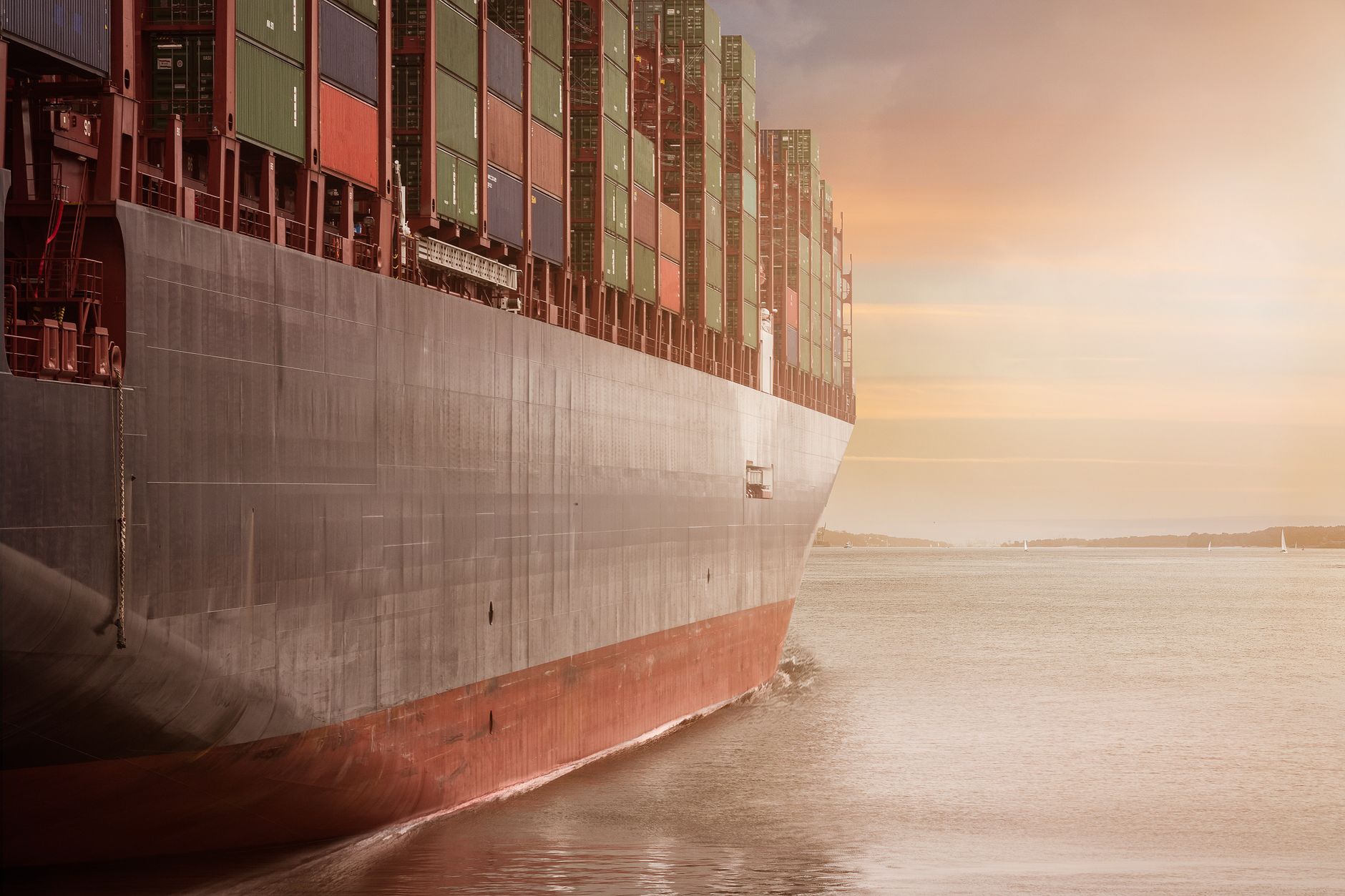
global freight rates have surged significantly, rising 130% since February 2026. This alarming increase is largely attributed to escalating tensions in West Asia, which have raised shipping costs and affected India’s trade dynamics.
Understanding the Surge in Freight Rates
The recent surge in global freight rates can be attributed to several interlinked factors stemming from escalating tensions in West Asia. As conflicts intensify, the shipping industry faces unprecedented challenges that directly impact trade costs worldwide.
One of the primary reasons for this increase is the disruption of major shipping routes, which has led to a significant rise in transit times and operational costs. With key waterways becoming increasingly volatile, shipping companies are forced to reroute vessels, adding both time and expense to the transport process.
Additionally, the demand for goods has surged in various regions, putting further strain on an already pressured supply chain. As countries scramble to secure essential commodities, the competition for available shipping capacity has driven freight rates to new heights.
Experts suggest that the current spike in global freight rates, which have increased by an astonishing 130% since February 2026, reflects not only the immediate effects of geopolitical conflicts but also the lingering consequences of the pandemic on global trade dynamics. Factors such as container shortages and port congestion continue to exacerbate the situation.
In this complex landscape, businesses are advised to stay informed about market trends to navigate the challenges posed by rising shipping costs and ensure the stability of their supply chains.
Factors Driving Shipping Cost Increases
The recent surge in global freight rates can be attributed to several interrelated factors that have significantly impacted shipping costs. As tensions in West Asia escalate, disruptions in trade routes have become more frequent, leading to a volatile shipping environment. Below are the primary drivers of this increase:
- Geopolitical Instability: The ongoing conflicts in West Asia have caused uncertainty in shipping operations, resulting in increased insurance costs and rerouted cargo.
- Supply Chain Disruptions: The ripple effects of geopolitical tensions have disrupted supply chains, leading to delays and a backlog of shipments, further driving up freight rates.
- Increased Demand: As global economies recover from the pandemic, there has been a surge in demand for goods, putting additional strain on shipping capacities.
- Fuel Price Fluctuations: Rising fuel prices have compounded shipping costs, as carriers pass on the expenses to consumers, contributing to higher global freight rates.
- Port Congestion: Major ports have experienced congestion due to a surge in cargo, resulting in longer wait times and increased operational costs for shipping companies.
These factors collectively illustrate how geopolitical tensions and market dynamics are reshaping the landscape of global freight rates, leading to unprecedented increases in shipping costs.
Impact of West Asia Tensions on Trade
The recent tensions in West Asia have significantly affected global trade dynamics, leading to a notable increase in global freight rates. With conflicts escalating in the region, shipping routes have become more precarious, prompting carriers to alter their operations to mitigate risks.
As a direct consequence, many shipping companies have raised their prices to account for the heightened security concerns and potential disruptions. This adjustment has resulted in a steep rise in shipping costs, which has been reported to have surged by over 130% since February 2026. The impact is particularly pronounced for countries heavily reliant on maritime trade, such as India.
Several factors contribute to the current situation:
- Increased Insurance Costs: Insurance premiums for vessels operating in volatile regions have skyrocketed, contributing to the overall rise in freight rates.
- Supply Chain Disruptions: Port closures and delays have become more frequent, leading to increased waiting times and operational costs for shipping companies.
- Demand Fluctuations: The uncertainty surrounding trade policies and agreements has caused fluctuations in demand, further complicating the pricing landscape.
As the situation continues to evolve, it remains to be seen how these tensions will further influence global freight rates and international trade as a whole.
India’s Response to Rising Freight Costs
As global freight rates continue to surge, India is taking significant steps to address the challenges posed by rising shipping costs. The recent increase of 130% since February 2026, largely attributed to tensions in West Asia, has prompted the Indian government to explore various strategies to mitigate the impact on its trade.
One of the key responses has been enhancing domestic logistics capabilities. The government is investing in infrastructure projects aimed at improving port facilities and transportation networks, which can help reduce turnaround times and lower overall costs for shippers. In addition, there is a strong focus on digitalizing logistics operations to streamline processes and increase efficiency.
Furthermore, India is actively engaging with international partners to ensure stable supply chains. By diversifying its trade routes and seeking alternative shipping options, the country aims to cushion its economy from the volatility of global freight rates. This includes exploring bilateral trade agreements that could offer more favorable shipping terms.
Lastly, the Indian government is also considering financial support for exporters facing increased freight costs. This assistance could take the form of subsidies or incentives to help businesses adapt to the changing landscape.
In summary, India’s multi-faceted approach to combating rising freight costs reflects its commitment to maintaining robust trade relations amidst global uncertainties.
Future Predictions for Global Shipping
As the maritime industry navigates the complexities of geopolitical tensions, analysts are closely monitoring future predictions for global shipping and freight rates. With the recent surge in freight rates, which have skyrocketed by 130% since February 2026, the implications for global trade are profound.
Experts suggest that if the tensions in West Asia persist, we may see freight rates continue to fluctuate significantly. The instability in the region could lead to further disruptions in supply chains, prompting shipping companies to adjust their pricing strategies accordingly. A prolonged crisis may result in increased insurance costs and delivery delays, further driving up global freight rates.
Additionally, the shift towards more sustainable shipping practices may also influence future costs. With the maritime industry facing pressure to reduce carbon emissions, investments in greener technologies could initially raise operational expenses, which may be passed on to consumers in the form of higher freight rates.
In response to these challenges, companies are urged to adopt more flexible logistics strategies and diversify their shipping routes. This adaptability could mitigate some of the impacts of geopolitical events and help stabilize costs in the long run. Overall, stakeholders in the shipping industry must remain vigilant and responsive to the evolving landscape to navigate the uncertain future of global freight rates.
Strategies for Managing Freight Expenses
As global freight rates continue to rise, businesses must adopt effective strategies to manage their shipping expenses. The surge in costs, attributed to various geopolitical factors, including tensions in West Asia, requires companies to rethink their logistics and supply chain management.
To navigate this challenging landscape, businesses can implement the following strategies:
- Negotiate with Carriers: Establishing strong relationships with shipping companies can lead to better rates and terms. Regular negotiations and exploring multiple carriers can yield more favorable pricing options.
- Optimize Shipping Routes: Assessing and altering shipping routes can reduce transit times and costs. Utilizing technology to analyze routes for efficiency can significantly impact overall freight expenses.
- Consolidate Shipments: Combining smaller shipments into larger ones can help minimize costs. This strategy not only saves money but also maximizes container utilization.
- Invest in Technology: Leveraging digital tools for supply chain management can provide real-time visibility and allow businesses to respond swiftly to changes in freight rates.
- Build Inventory Resilience: Maintaining a strategic inventory can buffer against sudden spikes in global freight rates, ensuring that companies can continue operations without disruption.
By implementing these strategies, businesses can effectively manage their freight expenses while mitigating the impact of rising global freight rates.
Photo by Pixabay on Pexels
References
Related reading
- Tax-free Personal Allowance: Best Proven Increase for 2023
- Sensex Nifty Market Update: What’s the Real Impact Today?
- Stocks to buy today: What are the best proven picks?