

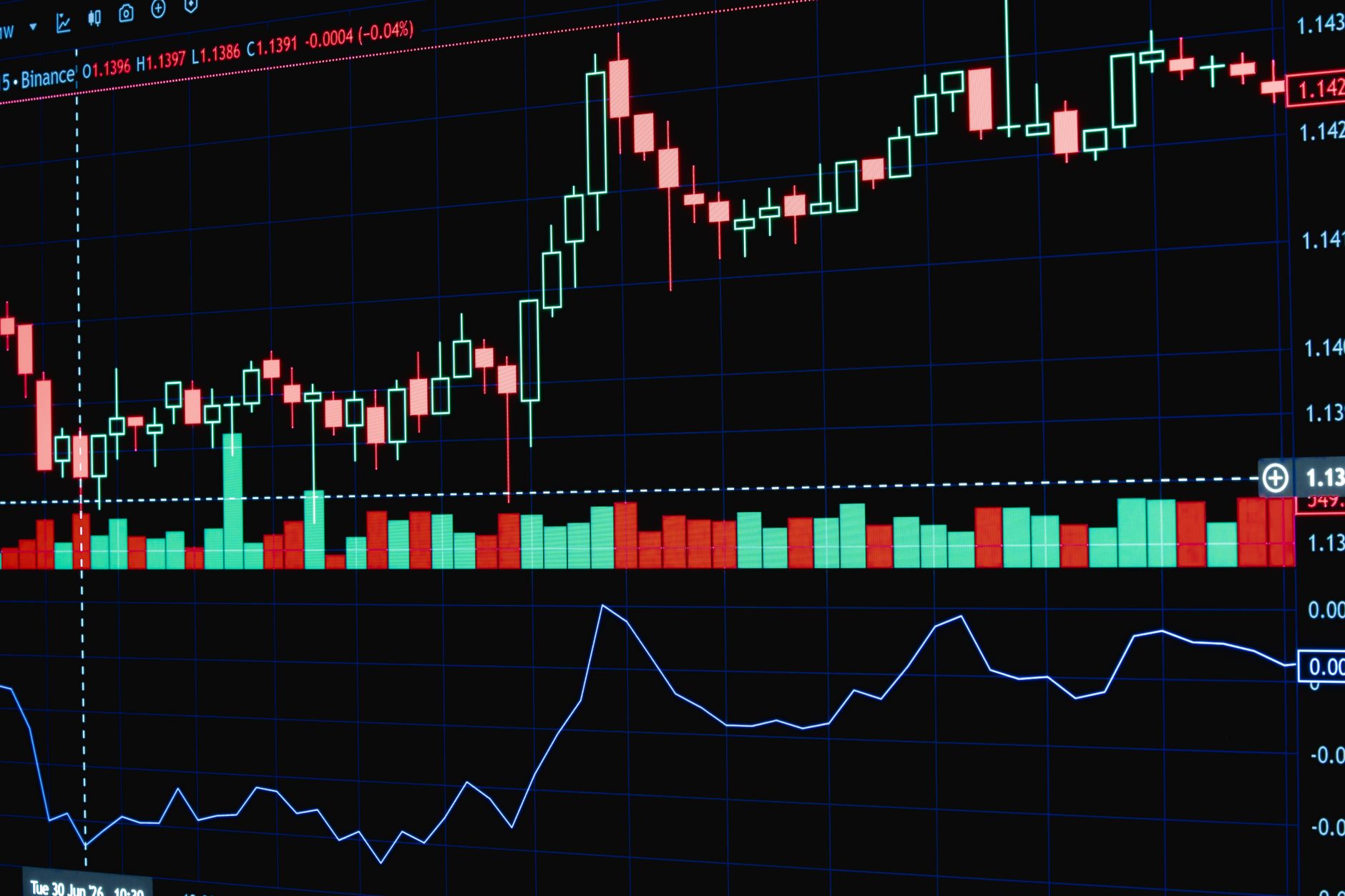
Sensex Nifty early trade is witnessing a downturn as global markets face a sell-off, raising concerns among investors and analysts alike.
Understanding the Current Market Trends
The Indian stock market experienced a significant downturn in early trading as both the Sensex and Nifty indices faced a notable sell-off. This decline is part of a broader trend observed in global markets, which have been reacting to a variety of economic factors. Investors are grappling with concerns related to inflation, interest rates, and geopolitical tensions, all of which have contributed to market volatility.
In the early trade, the Sensex dropped by over 500 points, while the Nifty saw a reduction of around 150 points. Market analysts suggest that this sell-off could be attributed to a combination of profit booking by investors and negative sentiment stemming from international markets, particularly in the United States and Europe.
Several key factors influencing this market behavior include:
- Inflation Concerns: Persistently high inflation rates are prompting fears of aggressive monetary policy adjustments.
- Global Economic Indicators: Signs of a slowing economy in major markets are making investors cautious.
- Geopolitical Tensions: Ongoing conflicts and uncertainties in various regions are adding to market anxiety.
As the situation develops, market participants are advised to stay informed about global trends impacting the Sensex Nifty early trade and adjust their investment strategies accordingly.
Impact of Global Markets on Indian Indices
The recent early trade of the Sensex and Nifty has been significantly influenced by global market trends, reflecting a broader sell-off that has affected numerous international indices. This downturn is primarily attributed to rising inflation rates and concerns over tightening monetary policies across various economies.
Investors are reacting to the latest data indicating that inflation may not be cooling as anticipated, prompting fears of more aggressive interest rate hikes. As global markets react to these economic indicators, Indian indices are feeling the pressure, leading to a noticeable slip in early trade.
Key factors contributing to this market sentiment include:
- U.S. Market Performance: The Dow Jones and S&P 500 have shown a decline, influencing investor confidence worldwide.
- European Market Trends: Major European indices have also experienced losses, further exacerbating the concern among investors.
- Commodity Prices: Fluctuations in oil and metal prices are affecting market stability, leading to increased volatility.
- Economic Indicators: Mixed signals regarding economic recovery in major economies are creating uncertainty.
As the Sensex and Nifty begin to reflect these global pressures, analysts are urging investors to remain cautious. The early trade slip highlights the interconnectedness of global markets and the impact of international economic conditions on local indices.
What Investors Should Know Today
Today, investors should be vigilant as the Sensex and Nifty witnessed a significant downturn in early trade, driven largely by a sell-off in global markets. The ongoing volatility is primarily attributed to concerns regarding inflation and rising interest rates, which have caused uncertainty among traders worldwide.
In the early hours of trading, both indices opened lower, reflecting the negative sentiment that has been prevalent in international markets. Analysts suggest that this trend could continue if economic indicators do not favor recovery in the coming weeks.
- Market Sentiment: The mood among investors remains cautious, with many opting to sell off their holdings in anticipation of further declines.
- Global Influences: Market movements in the US and Europe are closely monitored, as they set the tone for trading in Asia.
- Sector Performance: Key sectors such as IT and banking are particularly vulnerable, showing significant losses amidst the broader market retreat.
As the day progresses, traders are advised to stay informed about the latest developments that may impact the Sensex and Nifty early trade. It is crucial to evaluate potential risks and opportunities, especially given the current environment of heightened uncertainty.
In conclusion, keeping a close watch on international cues and maintaining a diversified portfolio could help mitigate losses during this turbulent phase.
Analyzing the Reasons Behind the Sell-Off
The recent downturn in the Indian stock markets, particularly reflected in the Sensex and Nifty, can be attributed to several key factors that have converged to create a challenging trading environment.
- Global Economic Concerns: A significant factor contributing to the sell-off is the ongoing uncertainty in global economies. Investors are reacting to concerns over potential interest rate hikes by central banks, particularly in the United States, which has led to a ripple effect on markets worldwide.
- Inflationary Pressures: Persistent inflation remains a concern, with rising prices affecting consumer spending and business investments. This situation has made investors wary, leading to increased selling pressure during the Sensex Nifty early trade.
- Corporate Earnings Reports: Recent corporate earnings have not met market expectations, leading to a reassessment of stock valuations. Companies in various sectors are facing headwinds that have prompted investors to rethink their positions.
- Geopolitical Tensions: Ongoing geopolitical issues, including tensions in various regions, have further contributed to market volatility. These uncertainties typically lead investors to adopt a more cautious stance.
In conclusion, the combination of these factors has resulted in a pronounced sell-off in the markets, prompting traders to closely monitor the evolving landscape for signs of stabilization.
Future Outlook for Sensex and Nifty
As the Sensex and Nifty experience significant volatility during early trade, investors are keenly observing the future outlook for these key indices. Market analysts suggest that the prevailing sell-off could lead to a prolonged period of uncertainty, prompting caution among investors.
Several factors are likely to influence the trajectory of the Sensex and Nifty in the coming days:
- Global Economic Indicators: The performance of international markets will play a crucial role in shaping investor sentiment in India. A continued decline in global indices may further dampen local market enthusiasm.
- Domestic Economic Policies: Upcoming government policies and economic reforms are expected to impact investor confidence. Any announcements regarding fiscal measures could either stabilize or exacerbate current market conditions.
- Corporate Earnings Reports: As companies begin to release their quarterly earnings, the results will provide insight into the resilience of the Indian economy. Strong earnings could boost market performance, while disappointing results might lead to further sell-offs.
- Investor Sentiment: The emotional aspect of investing cannot be overlooked. Fear and uncertainty stemming from the current sell-off could cause many to hold back on new investments, affecting overall market performance.
In summary, while the early trade for Sensex and Nifty reflects a challenging environment, the potential for recovery remains contingent on both domestic and global developments.
Expert Opinions on Market Movements
As the Sensex and Nifty experience a significant downturn in early trade, experts are weighing in on the factors contributing to this market slip. Analysts believe that the current sell-off can be attributed to a combination of global economic pressures and domestic challenges.
Ravi Kumar, a senior market analyst, noted, “The early trade indicates a clear reaction to the global market instability. Investors are cautious, and this has led to a wave of selling across various sectors.” He emphasized that the volatility in international markets is creating a ripple effect, impacting investor sentiment in India.
Another expert, Priya Mehta, a financial strategist, highlighted the importance of monitoring economic indicators. “With inflation concerns rising and interest rates expected to increase, investors are reassessing their positions. The Sensex and Nifty early trade reflects this cautious approach,” she stated.
Furthermore, Vikram Singh, a portfolio manager, pointed out that sectors such as technology and finance are feeling the brunt of this sell-off. “As the Sensex and Nifty struggle, we may see a shift in investor focus towards defensive stocks,” he remarked.
In summary, expert opinions suggest that the current market movements are indicative of a broader trend, driven by external influences and domestic economic factors, which investors should closely monitor in the coming days.
Tips for Navigating Volatile Markets
In times of uncertainty, navigating volatile markets can be challenging for investors. The recent Sensex Nifty early trade has highlighted the importance of having a strategic approach to managing investments during sell-offs.
Here are some tips to help investors weather the storm:
- Stay Informed: Keep up-to-date with the latest market news and trends. Knowledge about global events and economic indicators can help in making informed decisions.
- Diversify Your Portfolio: A well-diversified portfolio can reduce risk. Consider spreading investments across different sectors to mitigate the impact of market fluctuations.
- Focus on Long-Term Goals: Avoid reacting impulsively to short-term market movements. It’s essential to maintain a long-term perspective and stay committed to your investment strategy.
- Reassess Risk Tolerance: Assess your risk tolerance to determine whether your current investment strategy aligns with your financial goals and market conditions.
- Consult Financial Advisors: Seeking advice from financial professionals can provide valuable insights and tailored strategies tailored to individual circumstances.
Ultimately, a calm and informed approach is crucial during turbulent times. By adhering to these principles, investors can better navigate the uncertainties presented by a volatile market, including the recent declines seen in the Sensex Nifty early trade.
The Sensex Nifty early trade witnessed a sharp decline as investors reacted to the ongoing sell-off in global markets. Analysts predict that the Sensex Nifty early trade could experience further volatility if negative sentiment persists.
Photo by Rafael Minguet Delgado on Pexels
Sources
- Best IPO Consultants in India: How to Choose the Right Partner?
- Indian stocks reversal: Is it the worst time to invest?
- Kindle light leak problem: Worst issue with new devices